Trump Signals Potential Iran Peace Agreement Ahead of G7 Summit
Trump Signals Potential Iran Peace Agreement Ahead of G7 Summit
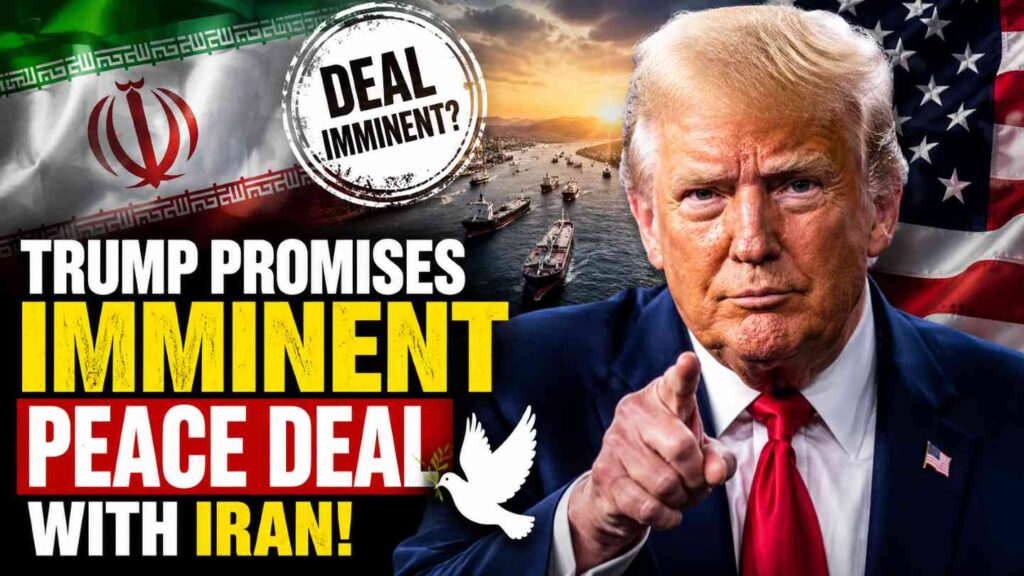
President Donald Trump says a potential agreement with Iran could be near as world leaders prepare to gather for the G7 Summit, raising hopes for reduced tensions in the Middle East and renewed discussions about regional stability.
As President Donald Trump prepares to depart for the G7 Summit in Geneva, Switzerland, attention is turning toward a possible diplomatic breakthrough involving Iran. Trump announced that a peace agreement could be finalized in the coming days, a development that could significantly impact international relations, global energy markets, and Middle East security.
The announcement comes amid ongoing concerns surrounding Iran’s nuclear program, regional conflicts, and the strategic importance of the Strait of Hormuz, one of the world’s most critical shipping routes for oil and natural gas exports.
Trump Announces Potential Deal
According to statements released by President Trump, the proposed agreement would include strict measures aimed at preventing Iran from obtaining nuclear weapons. Trump indicated that Iran would neither develop, purchase, nor acquire nuclear weapons through any means if the agreement moves forward.
The president also suggested that the reopening of the Strait of Hormuz would be a key component of the arrangement, helping restore stability to global shipping lanes and international energy markets.
While Trump expressed optimism about the possibility of an agreement, Iranian officials have reportedly indicated that a final signing may not occur immediately. Reports suggest negotiations remain ongoing, with both sides continuing discussions regarding the final terms.
Key Provisions Under Discussion
According to information discussed by administration officials, several major provisions are reportedly included in the proposed framework:
- Elimination and removal of Iran’s nuclear materials.
- Dismantling of Iran’s nuclear infrastructure.
- Continued sanctions enforcement until full compliance is verified.
- Reopening and protection of the Strait of Hormuz.
- Prevention of Iranian funding for terrorist organizations and proxy groups.
If implemented, these measures would represent one of the most significant changes in U.S.-Iran relations in years and could alter the security landscape throughout the Middle East.
Experts Remain Cautious
Despite the optimistic tone from the White House, some foreign policy experts remain skeptical that a final agreement is imminent.
Rebecca Heinrichs, a senior fellow with the Hudson Institute, expressed doubts regarding Iran’s willingness to accept the strict conditions outlined by the Trump administration. She noted that while the United States has maintained firm negotiating positions, Iranian leaders have yet to publicly commit to several of the administration’s key demands.
Analysts point to ongoing military tensions in the region and concerns about Iran’s nuclear capabilities as reasons for caution. Questions remain regarding inspection access, verification procedures, and the future of sanctions relief.
Many observers believe that any lasting agreement would require extensive monitoring and enforcement mechanisms to ensure compliance over the long term.
Nuclear Program Remains Central Issue
At the center of negotiations is Iran’s nuclear program, which has been a source of international concern for decades.
The Trump administration has consistently argued that previous agreements failed to adequately address long-term risks associated with nuclear development and ballistic missile technology. Supporters of the administration’s approach contend that stronger verification requirements and stricter enforcement measures are necessary to prevent future nuclear proliferation.
Critics, however, argue that diplomacy remains the best path forward and caution against escalating tensions if negotiations fail.
The outcome of current discussions could have far-reaching consequences for international security, U.S. foreign policy, and relations between Western nations and Middle Eastern governments.
G7 Summit Provides Diplomatic Opportunity
The timing of the announcement is particularly significant as Trump prepares to participate in the G7 Summit.
During the conference, the president is expected to meet with leaders from Egypt, Qatar, and the United Arab Emirates. Discussions are anticipated to focus on global trade, artificial intelligence, critical minerals, energy security, immigration, and international conflict resolution.
The summit will also provide opportunities for world leaders to discuss ongoing geopolitical challenges, including the war in Ukraine, global economic concerns, and regional security threats.
While no formal meeting between Trump and Ukrainian President Volodymyr Zelensky has been announced, both leaders are expected to participate in summit events.
Global Markets Watching Closely
Financial markets and energy analysts are closely monitoring developments surrounding the proposed agreement.
Any progress toward reopening and stabilizing the Strait of Hormuz could positively affect global oil supplies and energy prices. Approximately one-fifth of the world’s petroleum passes through the waterway, making it one of the most strategically important maritime routes in the world.
Investors, governments, and international businesses are expected to closely follow developments over the coming days as negotiations continue.
Looking Ahead
Whether a formal agreement is reached immediately or negotiations continue beyond the G7 Summit, the discussions highlight the ongoing importance of diplomacy in addressing some of the world’s most complex security challenges.
For now, world leaders, international observers, and financial markets will be watching closely to see whether the latest efforts can produce a meaningful breakthrough between the United States and Iran.
#DonaldTrump #Iran #IranDeal #MiddleEast #G7Summit #WorldNews #Politics #ForeignPolicy #NuclearNegotiations #StraitOfHormuz