JD Vance Casts Tie-Breaking Vote to Block War Powers Resolution as Senate Clash Erupts
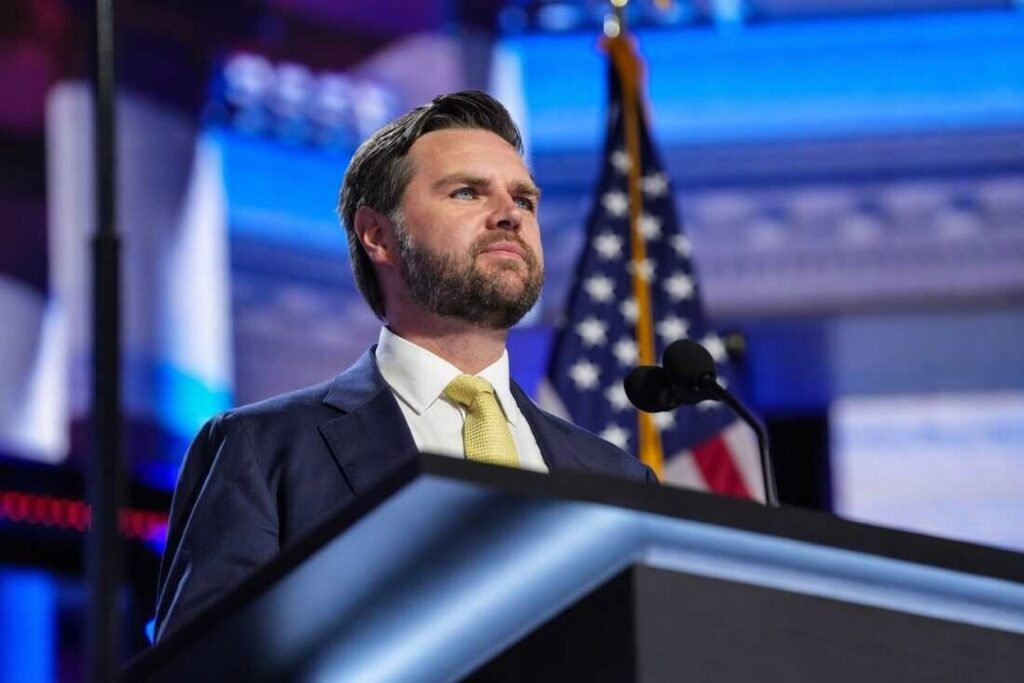
JD Vance delivered a decisive tie-breaking vote this week as Senate Republicans defeated a Democratic-led war powers resolution aimed at limiting President Donald Trump’s authority to take further military action against Venezuela. The resolution failed by a narrow 51–50 vote, triggering an intense debate on presidential powers, congressional oversight, and U.S. foreign policy priorities. This incident highlights how JD Vance Casts Tie-Breaking Vote to Block War Powers and impacts future legislative actions. JD Vance Casts Tie-Breaking Vote to Block War Powers.
Senate Deadlock Ends With Vice Presidential Vote
JD Vance Casts Tie-Breaking Vote to Block War Powers: A Critical Moment in Senate History
The vote split the Senate evenly, forcing Vice President Vance to step in and sustain the Republican position. The defeated resolution would have required Donald Trump to seek explicit congressional approval before authorizing additional military operations tied to Venezuela.
Democrats argued the measure was necessary to prevent what they described as unchecked executive action. Republicans countered that the president was acting well within long-established constitutional authority.
Schumer Warns of “Another Endless War”
Following the vote, Senate Majority Leader Chuck Schumer criticized the outcome, calling it “a roadmap to another endless war” and warning that it could make the global situation more dangerous.
Schumer claimed the Republican-led Senate had failed to assert its constitutional responsibility, accusing the administration of pushing the nation toward reckless military escalation.
Senator Sheehy Pushes Back on Democratic Claims
Republican Senator Tim Sheehy, a member of the Senate Armed Services Committee, strongly rejected Schumer’s framing. Sheehy argued that Venezuela’s government has long played a direct role in fueling drug trafficking, gang violence, and international criminal networks that have cost thousands of American lives.
According to Sheehy, targeting active threats tied to Venezuela falls squarely within presidential authority — authority that has existed since the early days of the republic, dating back to actions taken during the Barbary Wars of the early 1800s.
Congressional Consultation vs. Operational Security
The debate also touched on whether Congress was adequately informed ahead of military decisions. Secretary of State Marco Rubio reportedly assured Senator Josh Hawley that Congress would be consulted on future actions.
Sheehy emphasized, however, that consultation does not equate to approval. He warned that premature disclosures could jeopardize military operations, arguing that leaks and advance warnings could place U.S. troops at risk and alert adversaries before action is taken.
Focus Shifts to Iran and Rising Tensions
The conversation quickly broadened beyond Venezuela, turning to Iran and escalating unrest within the country. Sheehy described Iran as a hostile regime that has been in direct conflict with the United States for nearly five decades, citing attacks on Americans, state-sponsored terrorism, and repeated threats against U.S. leaders.
While some Democrats cautioned against military involvement or regime change, Sheehy expressed strong support for backing Iranian citizens protesting against their government, arguing that the regime’s long history of violence and extremism justifies a tougher stance.
A Deeper Divide Over War Powers
The Senate vote underscores a growing divide in Washington over how far presidential authority should extend in matters of national security. While Democrats continue to push for stronger congressional oversight, Republicans maintain that swift executive action is sometimes necessary to neutralize threats before they escalate.
With tensions rising in both Venezuela and Iran, the clash over war powers is likely far from over.