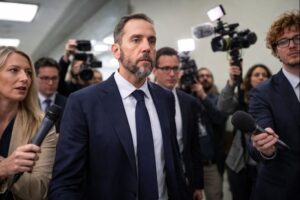
2 Billion Renovation Sparks Debate Over Powell, DOJ Scrutiny of the Federal Reserve
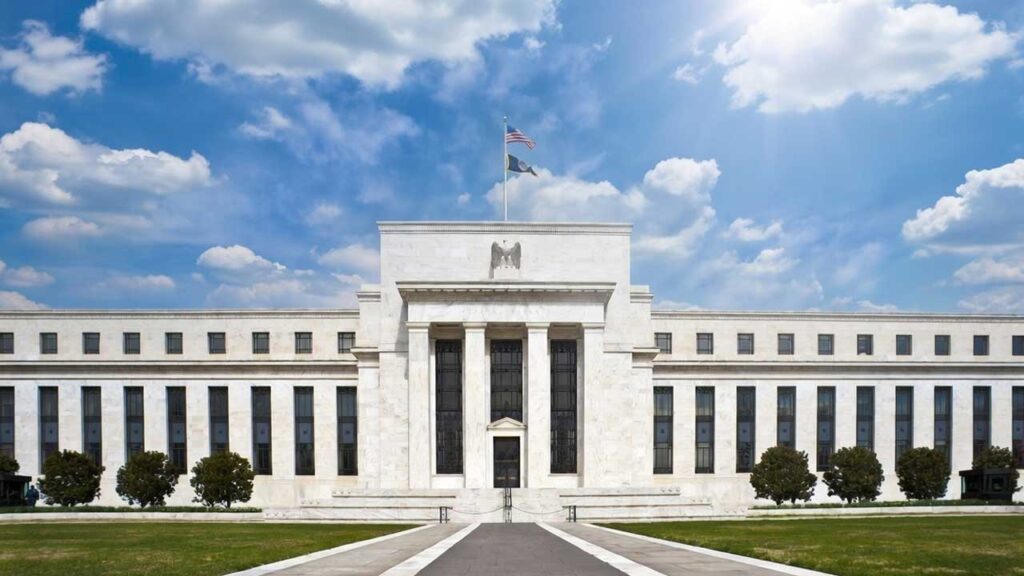
DOJ Scrutiny of the Federal Reserve Sparks Debate
DOJ Scrutiny of the Federal Reserve Sparks Debate Over Powell, Politics, and a $2 Billion Renovation
A political and economic firestorm is brewing in Washington after reports surfaced that the Department of Justice has opened a grand jury investigation involving Jerome Powell, chairman of the Federal Reserve. At the center of the controversy is a multi-year renovation project for historic Federal Reserve buildings—one whose costs reportedly ballooned to more than $2 billion—alongside rising political tension over interest rate policy.
Powell addressed the issue directly, confirming that the Federal Reserve had received subpoenas related to his testimony before the Senate Banking Committee last year. He framed the investigation as unprecedented and warned that it could threaten the independence of the nation’s central bank.
Powell Responds: “No One Is Above the Law”
In a statement that quickly reverberated across financial markets, Powell acknowledged the DOJ action while defending his conduct.
“No one, certainly not the chair of the Federal Reserve, is above the law,” Powell said, emphasizing his respect for accountability and democratic oversight.
However, he strongly disputed the idea that the investigation centers on misleading Congress. According to Powell, the Federal Reserve made consistent efforts to keep lawmakers informed about the renovation project through testimony and public disclosures. He suggested that the criminal probe is being used as leverage amid mounting political pressure over monetary policy decisions—particularly the Fed’s refusal to rapidly lower interest rates.
The $2B Renovation That Raised Red Flags
The renovation itself has become a lightning rod. What began as an infrastructure upgrade for aging Federal Reserve office buildings reportedly escalated into a project costing more than $2.5 billion. Critics argue the price tag is emblematic of government inefficiency and poor project oversight.
Commentators drew comparisons to past examples of inflated federal spending, arguing that large construction projects often invite waste, mismanagement, or worse—even without proven criminal intent. While no formal allegation of kickbacks or graft has been established, critics insist the scale of the spending demands scrutiny.
Supporters of the investigation argue that, regardless of Powell’s role as a policy expert, managing a massive construction project requires specialized oversight skills—skills not typically associated with central banking.
Interest Rates, Debt, and White House Pressure
The controversy unfolds against a backdrop of intense disagreement over interest rates. Former President Donald Trump has repeatedly criticized Powell for keeping rates higher than the White House would prefer, arguing that lower rates would ease refinancing costs for American households and reduce the burden of refinancing trillions of dollars in U.S. government debt.
Powell countered that the Federal Reserve’s mandate is to set rates based on data, inflation trends, and employment—not political demands.
“This is about whether the Fed will be able to continue setting interest rates based on evidence,” Powell said, “or whether monetary policy will be directed by political pressure or intimidation.”
Public Perception vs. Institutional Independence
For many Americans, the nuance of Fed independence is overshadowed by everyday financial pain. Mortgage rates, credit card interest, and borrowing costs remain high, fueling public frustration.
To the average consumer, the optics appear simple: rates are high, the economy feels tight, and Powell is in the spotlight. That sentiment, critics argue, makes it politically easier to justify aggressive scrutiny—even if the underlying issues are complex.
Others warn that politicizing the Federal Reserve could set a dangerous precedent. Historically, markets rely on the Fed’s independence to maintain credibility and stability. Any perception that interest rates are dictated by political retaliation could undermine investor confidence and long-term economic planning.
What Happens Next?
Powell’s term as chair is set to expire in 2026, placing the investigation within a compressed timeline. Some observers question why such an aggressive probe would be launched with only months remaining in his tenure, while others argue that timing should not override accountability.
Legal experts caution that a DOJ investigation does not imply guilt. At most, Powell could face reputational damage; criminal charges remain speculative. Several analysts believe the likely outcome is political pressure rather than legal consequences.
A Test Case for the Federal Reserve’s Future
At its core, the controversy raises a fundamental question: where is the line between oversight and interference?
Supporters of the investigation say taxpayers deserve answers when federal projects explode in cost. Defenders of Powell counter that using criminal probes amid policy disagreements risks eroding one of the most important stabilizing institutions in the U.S. economy.
As markets, lawmakers, and voters watch closely, the situation may become a defining moment for the balance of power between elected leaders and independent economic institutions—one with implications far beyond a single renovation project.
#FederalReserve #JeromePowell #DOJInvestigation #InterestRates #EconomicPolicy
Tom Homan Warns “Justice Is Coming” for Those Funding Anti-ICE Protests
Allegations Swirl Around Rep Ilhan Omar Amid Minnesota Fraud Probes and Net Worth Questions