Controversy Erupts at Jack Smith Hearing Over Oath – Authority – and Oversight
Controversy Erupts at Jack Smith Hearing Over Oath, Authority, and Oversight
Lawmakers question legality of special counsel appointment, double oath, and millions spent during Trump investigations
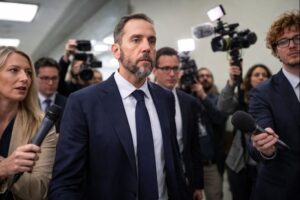
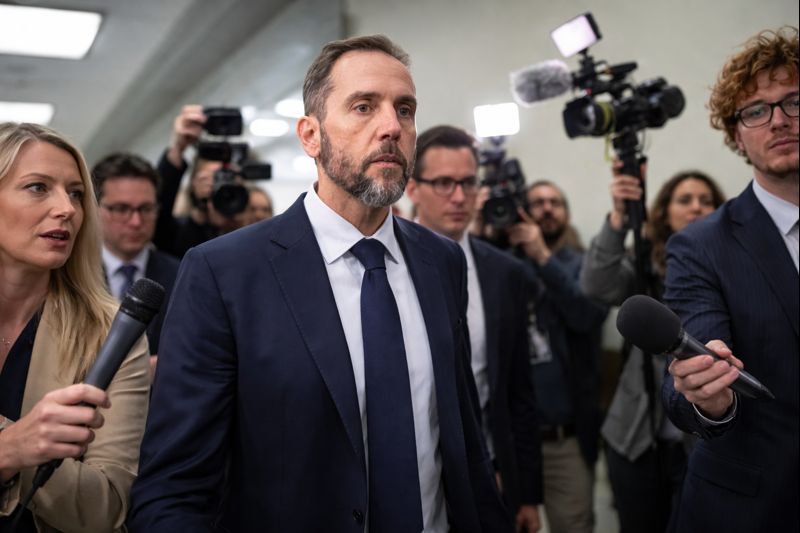
A recent congressional hearing involving Special Counsel Jack Smith has ignited fresh controversy over the legality, transparency, and political implications of his appointment and actions. Republican lawmakers pressed Smith on a series of procedural irregularities, most notably why he took two separate oaths of office, nearly eleven months apart, and whether his role was ever lawfully constituted under the U.S. Constitution.
At the center of the hearing was the revelation that Smith, appointed by Attorney General Merrick Garland in November 2022, signed an oath of office that reportedly lacked a witness or notarization. Then, in September of the following year—after Smith had already been operating in his role—he was asked to take the oath again. When questioned about this unusual step, Smith repeatedly stated that he did not recall why a second oath was required or whether he ever discussed it with Garland.
Lawmakers found that explanation troubling. Taking an oath of office is not a symbolic gesture; it is a legal requirement tied directly to the authority of a federal official. Several members argued that the absence of a witnessed oath raised serious questions about whether Smith was legally empowered to act during the early months of his tenure. The fact that the Department of Justice later requested a second oath only intensified suspicions that internal concerns may have existed about the validity of the first.
Adding to the controversy is the manner of Smith’s appointment. Unlike many senior federal officials, Smith was never confirmed by the U.S. Senate. Critics argued that bypassing Senate confirmation violated the Appointments Clause of the Constitution, particularly given the sweeping authority and minimal oversight granted to a special counsel. Lawmakers contended that such power demands democratic accountability, not unilateral appointment.
During questioning led by Representatives Gooden and Jim Jordan, Smith also faced scrutiny over the cost and scope of his investigation into former President Donald Trump. According to testimony, the special counsel’s office has spent approximately $35 million in taxpayer funds. Of particular concern was Smith’s approval of payments to confidential human sources, including a reported $20,000 payment authorized through the FBI.
Smith acknowledged approving the payment but said he did not know the identity of the source and could not recall whether additional payments were made to other informants. Lawmakers questioned why paid sources were necessary at all, given the government’s broad subpoena powers. To critics, paying unnamed individuals with public funds—while simultaneously subpoenaing phone and bank records of political figures—raised red flags about investigative overreach.
That concern deepened when lawmakers highlighted subpoenas issued for phone and banking records of sitting members of Congress, including then–Speaker of the House Kevin McCarthy and several U.S. senators, among them Tommy Tuberville. Critics argued these actions violated the Constitution’s Speech and Debate Clause, which protects legislators from compelled disclosure related to their official duties.
Internal DOJ emails presented at the hearing appeared to acknowledge “litigation risk” in pursuing such records, yet investigators proceeded anyway—often under gag orders that prevented lawmakers from even knowing their records had been seized. Subsequent policy changes within the DOJ now prohibit similar actions, prompting lawmakers to argue that Smith operated under standards no longer deemed acceptable.
Perhaps most politically explosive was the accusation that Smith’s actions amounted to election interference. Lawmakers emphasized that Smith brought charges against Trump—President Biden’s leading political opponent—during an active election cycle, relied on novel legal theories, and supported a gag order that critics say infringed on Trump’s First Amendment rights.
By the end of the hearing, Republicans framed Smith not as a neutral enforcer of the law, but as a prosecutor wielding extraordinary power with insufficient oversight. Whether the controversies stem from procedural recklessness, political bias, or deliberate misuse of authority remains a matter of fierce debate. What is clear is that the hearing has further shaken public confidence in the justice system and intensified scrutiny of how far prosecutorial power should extend in America’s deeply polarized political climate.
Comer Opens Contempt Proceedings Against the Clintons Over Epstein Subpoenas