A Fascinating Fiery House Hearing on Contempt – Subpoenas and Accountability Fiery House Hearing on Contempt – Subpoenas and Accountability
A Fiery House Hearing on Contempt - Subpoenas and Accountability
“The Hypocrisy Is Real”: A Fiery House Hearing on Contempt, Subpoenas, and Accountability
A contentious congressional hearing erupted into sharp accusations of political hypocrisy as lawmakers debated contempt of Congress, enforcement of subpoenas, and the refusal of high-profile figures—including the Clinton family—to comply with congressional demands. The exchange, marked by raised voices and emotional testimony, underscored deep partisan divides over whether Congress is applying the law evenly or selectively shielding powerful individuals.
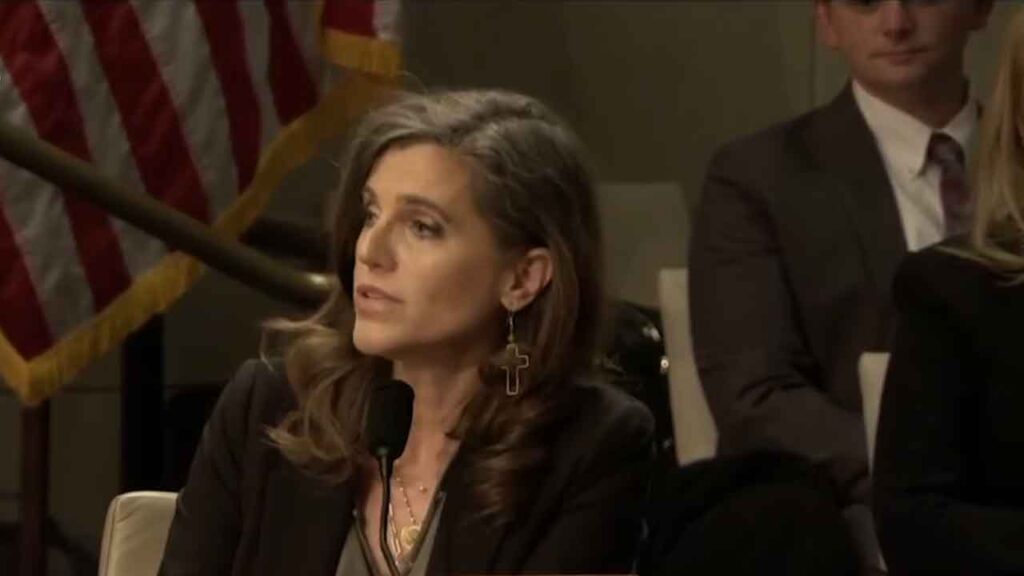
At the center of the confrontation was Nancy Mace, who directly challenged Democratic members of the committee for what she called “playing politics with justice,” while invoking her own record of voting to hold officials from both parties in contempt of Congress.
Subpoenas, Contempt, and a Clash Over Consistency
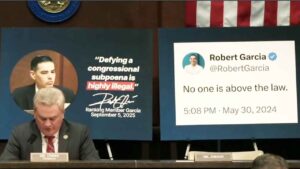
The hearing opened amid procedural disputes over speaking time and recognition, but the core issue quickly became clear: who is actually being held accountable when Congress issues subpoenas. Members referenced past votes on contempt proceedings, including those involving Merrick Garland, with Republican members noting that Democrats overwhelmingly voted against holding Garland in contempt.
Mace argued that such votes reveal a double standard. According to her remarks, lawmakers cannot credibly claim that “no one is above the law” while refusing to enforce subpoenas against officials or political allies. She emphasized that contempt of Congress is not symbolic, but a constitutional tool meant to ensure oversight functions properly.
“This Should Not Be Political”
What set the hearing apart from routine partisan sparring was Mace’s shift from procedure to substance. She framed the controversy around subpoenas and contempt as inseparable from broader investigations into sex trafficking, abuse, and crimes involving minors—topics that have drawn national attention following revelations tied to the Epstein case.
“We’re talking about children, girls as young as 14,” Mace said, arguing that such issues should be nonpartisan and treated with urgency rather than political calculation. Speaking as a survivor of sexual assault, she criticized what she described as the politicization of rape and trafficking, telling colleagues that the matter was “personal,” not ideological.
South Carolina as a Case Study
Mace repeatedly cited South Carolina to illustrate what she described as systemic failures in accountability. According to her testimony, sex trafficking in her home state has increased dramatically, while domestic violence cases face long delays or are never brought to trial. She detailed instances in which violent offenders were allegedly released or given minimal punishment despite facing serious charges.
Her remarks included references to convicted pedophiles who, she said, received probation or served minimal jail time despite facing decades-long potential sentences. She argued that leniency, prosecutorial inaction, and judicial decisions have allowed repeat offenders to return to communities, placing women and children at continued risk.
Entering Evidence Into the Record
In one of the most dramatic moments of the hearing, Mace requested unanimous consent to enter images and documents into the congressional record. These included photographs of victims and alleged perpetrators connected to violent crimes, which she said were emblematic of broader failures in the justice system.
She referenced cases involving individuals with extensive arrest records who were released and later accused of committing murder. In one case, she described the killing of a 22-year-old woman by a man with dozens of prior arrests, arguing that the tragedy could have been prevented if earlier offenses had been prosecuted more aggressively.
The committee chair allowed the materials to be entered without objection, lending official weight to her claims and ensuring they become part of the hearing’s permanent record.
Politics Versus Oversight
Throughout the hearing, Mace returned to a single theme: Congress cannot credibly demand accountability from some witnesses while excusing others—especially powerful political families or officials—who refuse to comply with subpoenas. She accused both parties, but particularly Democrats, of undermining congressional authority by treating contempt votes as political weapons rather than legal necessities.
Supporters of enforcement argue that when subpoenas are ignored without consequence, congressional oversight becomes meaningless. Critics counter that contempt proceedings themselves have become politicized, risking further erosion of trust in Congress.
Why This Hearing Matters Beyond Washington
Although the exchange unfolded on Capitol Hill, its implications reach far beyond Washington, D.C. For communities in Oklahoma and across the country, the debate touches on core questions: whether laws are applied equally, whether victims are protected, and whether powerful figures face the same consequences as ordinary citizens.
As investigations continue and subpoena disputes persist, the hearing made one reality unmistakable—contempt of Congress, once a rare enforcement tool, is now a flashpoint in a broader struggle over justice, accountability, and public trust in government institutions.
#CongressionalOversight #ContemptOfCongress #Accountability #HumanTrafficking #RuleOfLaw